


How to Track Employee Productivity in 2026?
In 2026, companies searching for software to track employee productivity face an overwhelming number of tools promising efficiency, visibility, and higher output. Yet not all solutions deliver what teams truly need.
Some platforms offer too much surveillance, damaging morale. Others focus only on surface metrics without revealing real performance drivers. The modern workplace—shaped by hybrid schedules, async communication, and AI-driven workflows—demands something more nuanced, more ethical, and far more effective.
This article explores what actually works in 2026 when it comes to tracking productivity. We’ll examine which features make a real difference, why certain tools outperform others, and how companies can implement productivity software without harming trust or culture.
Why Companies Still Struggle With Measuring Productivity
Even advanced organizations face challenges in measuring employee productivity accurately. The problem usually isn’t the employees—it’s the metrics.
Businesses often rely on outdated indicators such as time spent online or the number of tasks “completed,” ignoring the deeper layers of work: creative thinking, problem-solving, deep work sessions, collaboration, and strategic execution.
Several blind spots cause productivity friction:
- Hybrid schedules obscure visibility when some work happens offline or asynchronously.
- Different roles require different metrics; a designer’s productivity can’t be measured the same way as a developer’s or an analyst’s.
- Multitasking and context switching make it hard to calculate actual output.
- Manual reporting is slow and inaccurate, leading to skewed data.
The result: companies need smarter, more context-aware tools—ones that measure quality and impact, not just activity.
What Makes a Productivity-Tracking Tool Truly Effective in 2026
Modern productivity tools need to do more than log hours. They must understand how employees work, surface meaningful insights, and support workers rather than monitor them. The most effective platforms in 2026 share several core characteristics.
AI-Driven Insights Instead of Raw Data
AI has shifted productivity tracking from passive monitoring to intelligent analysis. Rather than displaying endless logs of activity, top tools interpret patterns and highlight what matters: focus time, overload risks, workflow bottlenecks, and efficiency trends. Managers no longer have to “guess” why performance dips—they see the root causes immediately.
Focus on Outcomes, Not Surveillance
The tools that work in 2026 prioritize results. They track performance indicators that align with real contributions—project milestones, task progress, cycle times, workload balance—not intrusive screenshots or keystroke counts. Ethical tracking has become a necessity, not an option.
Support for Deep Work and Focus Time
High-performing teams depend on uninterrupted concentration. The best software includes focus meters, distraction alerts, and timers that help employees maintain deep-work sessions. These metrics give companies a realistic picture of productivity quality—not just quantity.
Real-Time Collaboration and Workload Visibility
Modern productivity software acts as a collaboration hub. It helps teams understand who is overloaded, who needs support, and where bottlenecks are forming. This real-time view prevents burnout, improves task assignment, and keeps projects on track.
Clear, Accessible Dashboards for Both Managers and Employees
Transparency is crucial. When workers can see their own productivity trends, they gain autonomy and can adjust habits independently. This builds trust and encourages self-improvement without managerial pressure.
The Tools and Features That Actually Work in 2026
Not all tools are equal. While dozens of platforms claim to track productivity, only a few categories consistently provide real, actionable value.
Time & Activity Analytics Tools
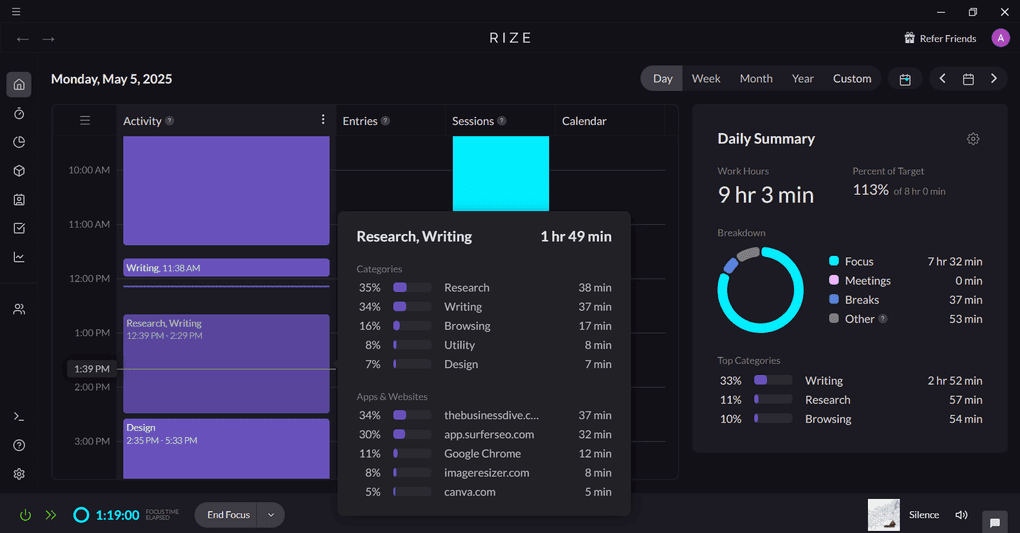
These platforms show where work hours go, which apps are used, and how focus shifts throughout the day. In 2026, the top tools in this category avoid intrusive monitoring and instead emphasize patterns—such as peak productivity windows or excessive context switching.
There are some top software to track employee productivity, so I recommend you start with these if you are looking for a dedicated app to monitor and improve your employees’ productivity.
Check out our list of time tracking apps here, which we personally reviewed, so you can make the right decision.
Related articles:
Project and Task Management Systems
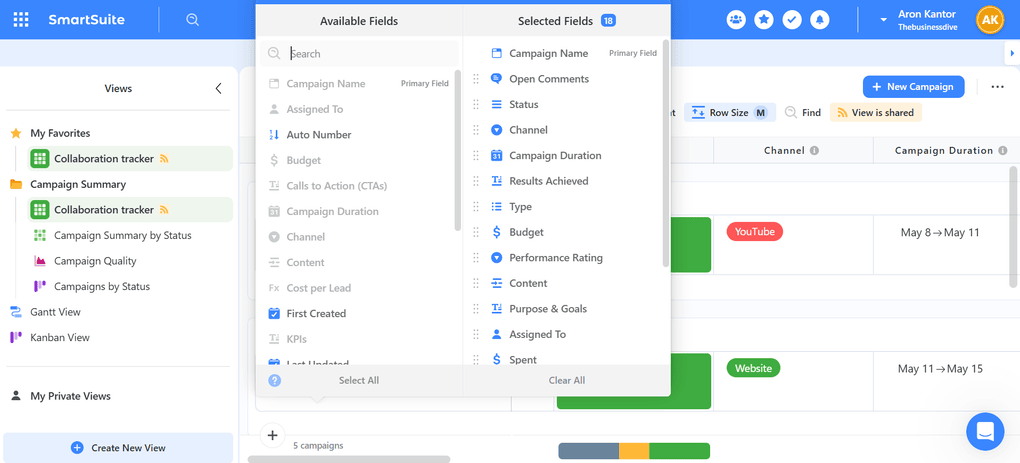
Productivity is often best measured through outcomes. Tools like advanced project boards, AI task planners, and automated progress trackers show how quickly teams move work from “in progress” to “done.” They provide real metrics tied to deliverables rather than online activity.
If you are considering investing in a project or task management app, take a look at our reviewed project management apps to ensure you find the best one for you.
Related articles: